Understanding Carbon Capture and Sequestration

Carbon Capture and Sequestration (CCS) captures carbon dioxide (CO₂) from industrial sources and permanently stores it deep underground in geologic formations designed to securely contain it.
This technology helps manage emissions while supporting energy production and industrial activity.
Why Is Capturing CO₂ Important?
CO₂ is also considered a greenhouse gas, meaning it absorbs and re-emits heat in the atmosphere. Although it occurs naturally, industrial activities can produce more emissions than natural systems can absorb. Capture and sequestration help manage that excess and maintain balance.
What is CO₂?
CO₂ is a naturally occurring gas that makes up ~0.04% of the atmosphere. It’s found in everyday places like carbonated drinks, dry ice and even the breath we exhale.

How Carbon Moves Through the Environment
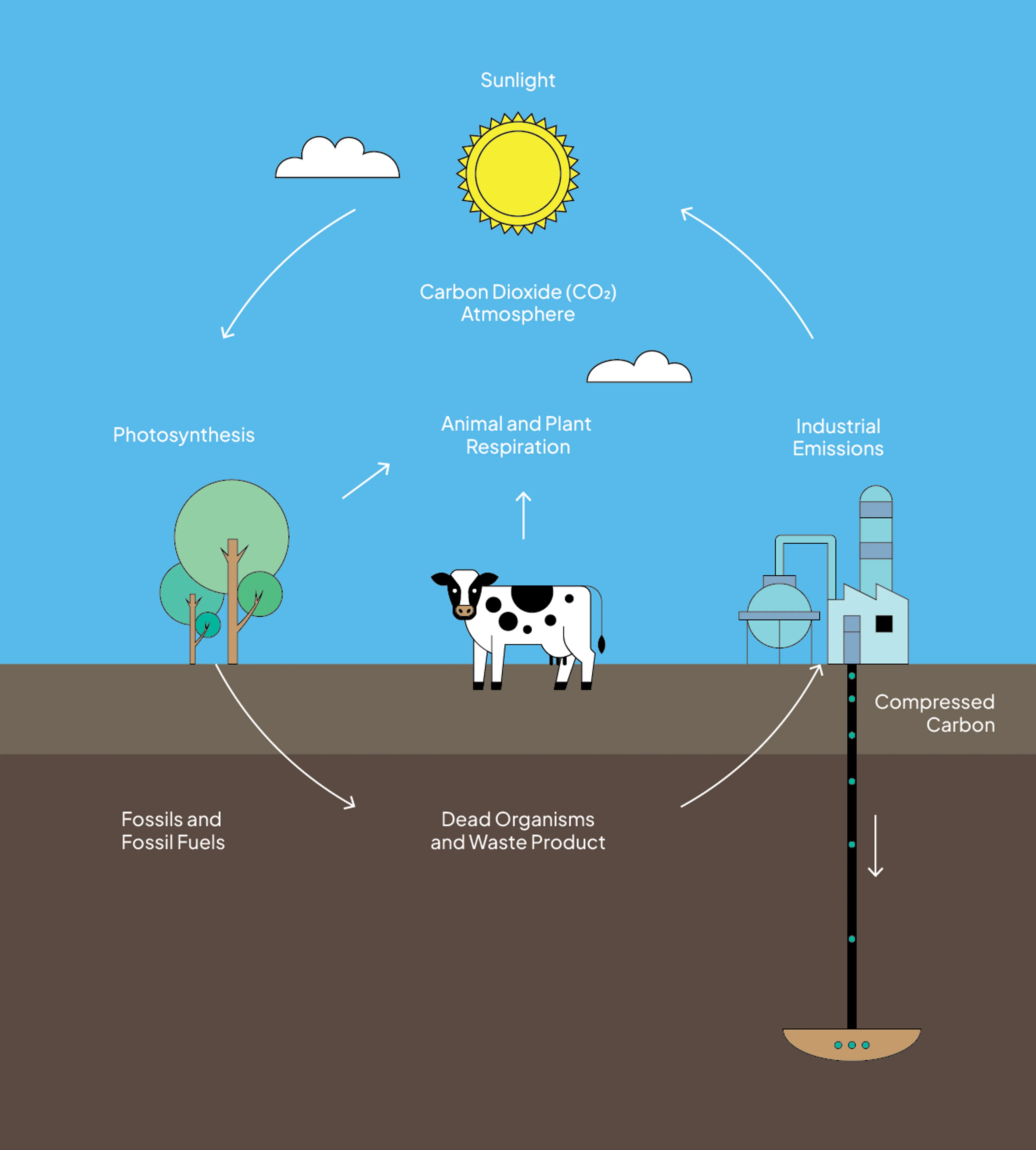
Carbon moves through the environment in a natural cycle between the atmosphere, plants, animals and the earth. CCS works within this cycle by capturing carbon from industrial sources before it enters the atmosphere and storing it deep underground.
Capturing and Storing Carbon Safely
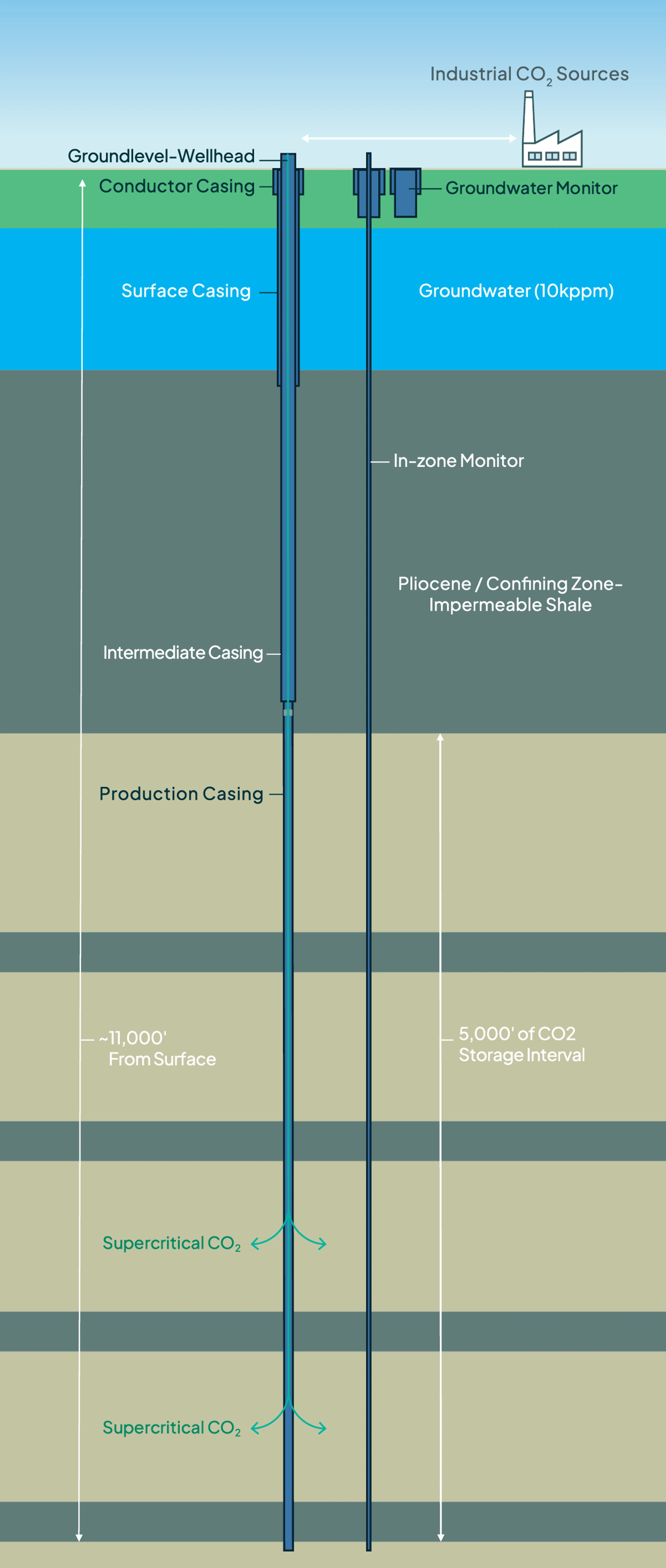
CCS captures carbon dioxide before or after it is released during industrial processes, then transports it to deep underground geologic formations for secure storage. Safe storage starts with selecting the right site.
Suitable formations are chosen based on several key characteristics, including:
Thick layers of rock that act as natural seals
Storage zones with the right porosity and permeability to hold CO₂
Drinking water aquifers, if present, are located far above the storage formation
Together, these natural geologic barriers help ensure carbon remains securely stored underground while supporting emissions reduction and energy infrastructure.
Built on Decades of Subsurface Expertise
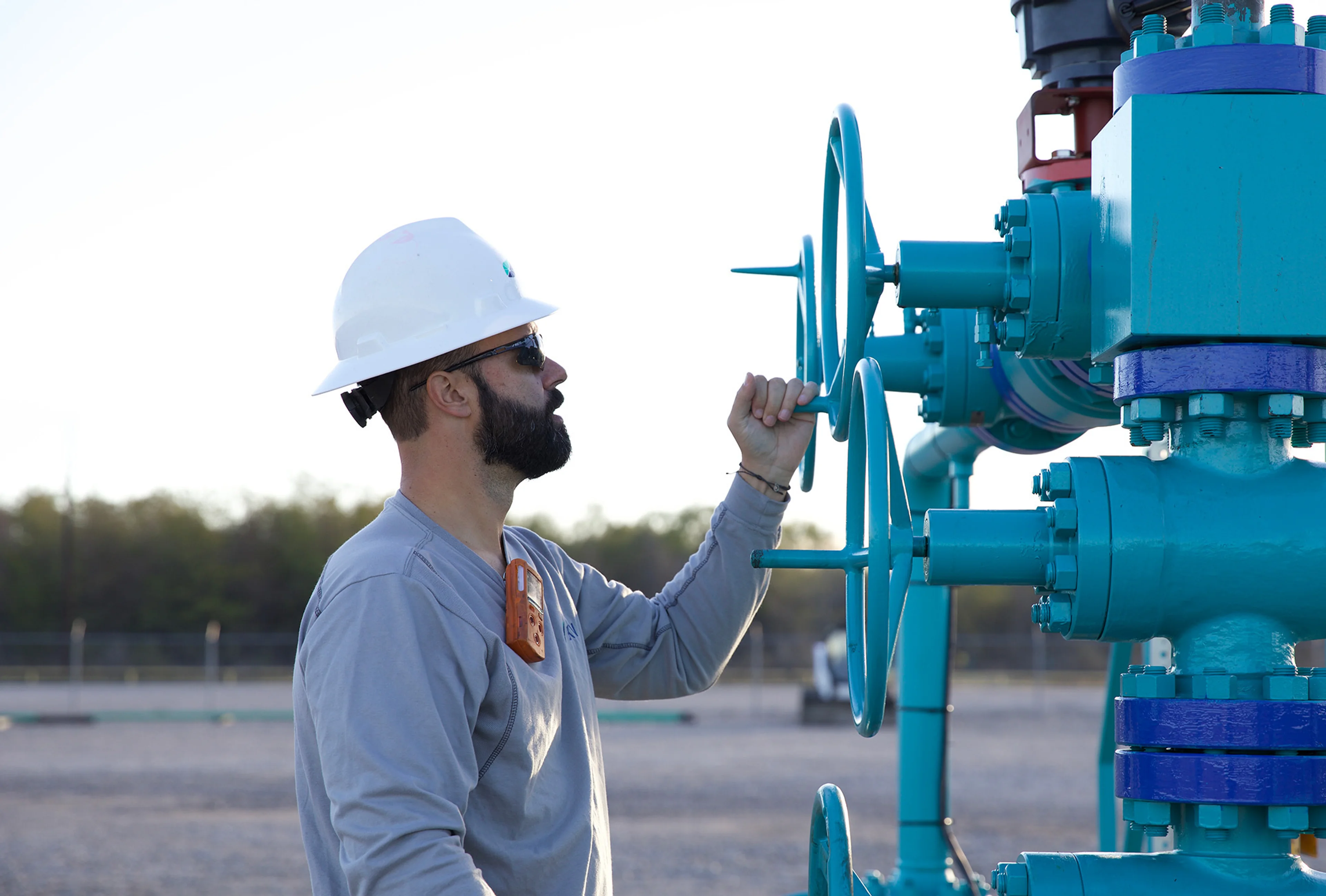
Commercial-scale CCS projects demonstrate that carbon storage can be safe and effective when sites are properly selected, designed and operated.
Scientists and engineers use advanced monitoring tools to track storage sites and ensure safe operations. These systems can continuously monitor wells and respond quickly if unusual conditions occur.
Projects operate under federal and state oversight to help ensure drinking water resources and surrounding environments are protected.
Tracking Carbon Deep Underground
Engineers use advanced computer models to predict how CO₂ will behave underground over time. These models help show how carbon spreads within storage formations and confirm that it remains safely contained beneath protective rock layers.
Monitoring systems continuously collect real-world data to confirm the models and help ensure safe, responsible storage
Economic Benefits and Local Investment
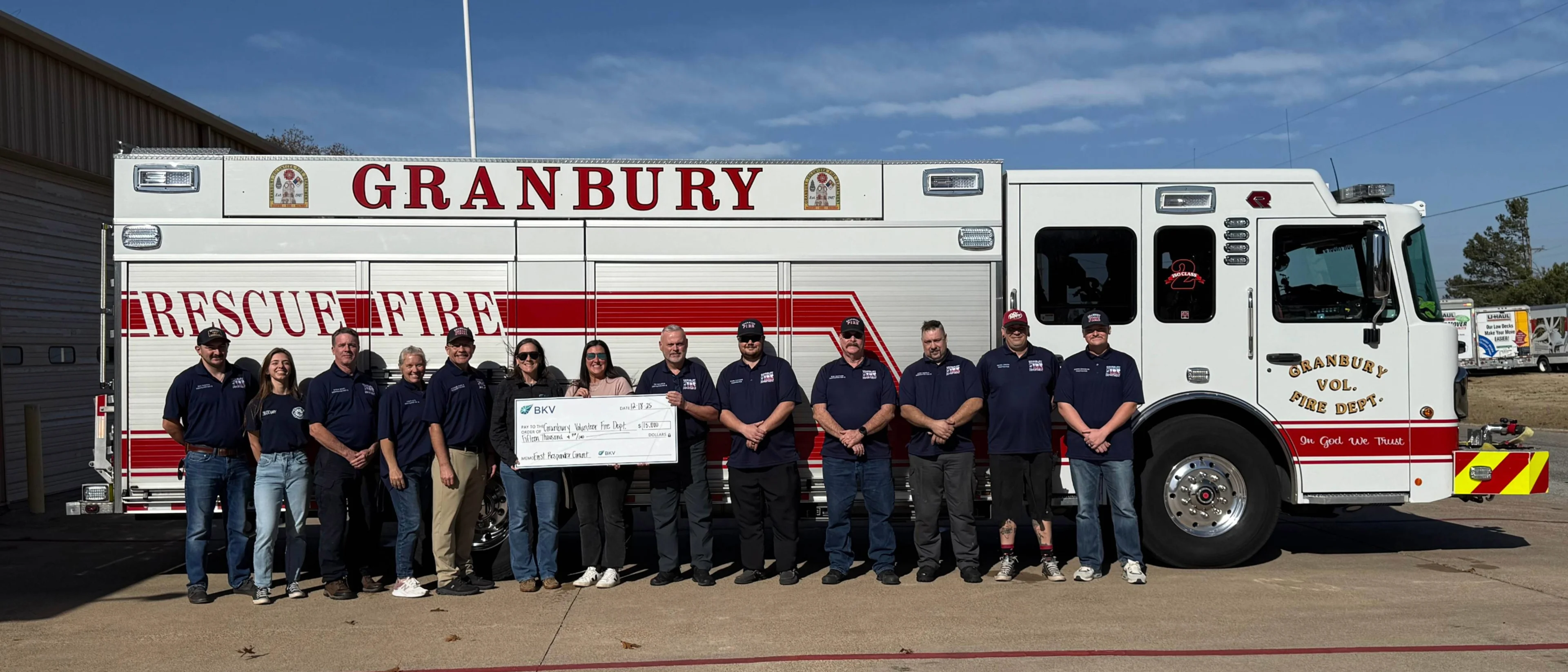
Carbon capture projects can support local communities by creating jobs and economic activity during construction and operations.
Projects can also generate additional tax revenue and opportunities for local businesses that support infrastructure and development.
Companies developing CCS projects also work closely with local leaders and community members to build long-term partnerships and ensure responsible operations.
Common Questions
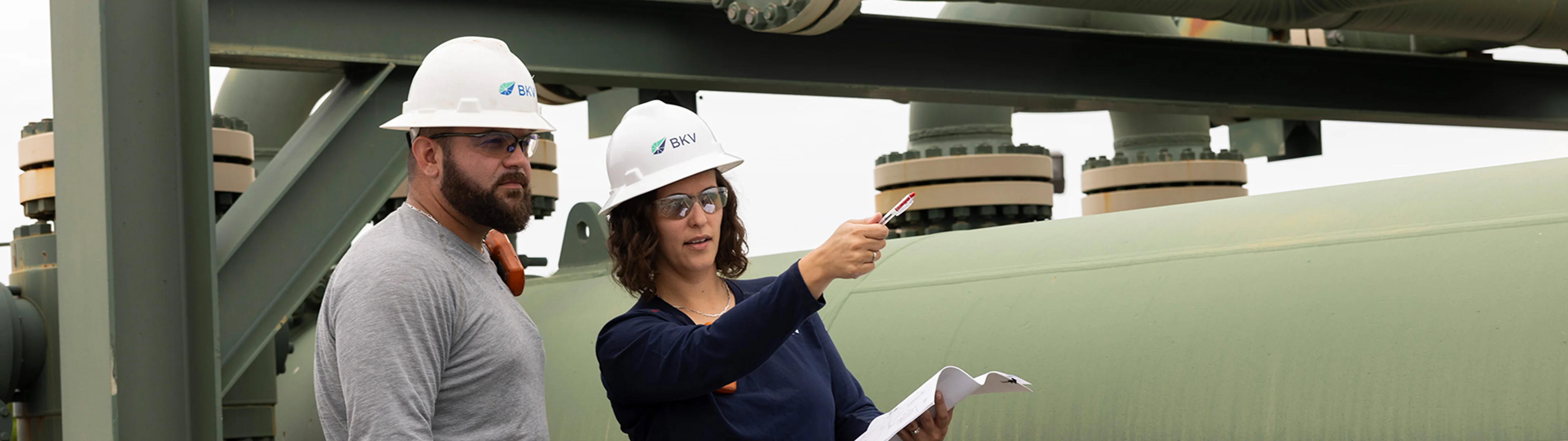
Delivering Energy. Advancing Carbon Solutions.
BKV is an energy platform focused on the safe and responsible development of energy and carbon management solutions
The company operates across the energy value chain, including natural gas production, midstream infrastructure, power generation and carbon capture and sequestration.
By combining expertise across these areas, BKV delivers reliable energy while advancing carbon management solutions that support long-term emissions reduction.