2025 Sustainability Report
Governance
Governed for growth.
Responsible oversight. Disciplined execution. Grounded values.
Governance is more than oversight. It's the framework that guides how we make decisions, manage risk and uphold the values that define BKV. Through clear accountability, transparency and responsible leadership, we're building a strong foundation for sustainable growth.
A steady perspective from every angle.
Trust through transparency.
Strong governance begins with clear accountability; it requires active engagement. BKV's Board provides regular oversight of our strategy, risk management and sustainability priorities, helping ensure decisions align with our long-term objectives while promoting transparency for stakeholders.
Preparing for the future.
Managing risk means anticipating change before it happens. BKV's enterprise risk management framework helps identify, evaluate and address operational, sustainability and business risks while supporting informed decision-making across the organization. By embedding risk management into our culture, we're strengthening our ability to navigate an evolving risk landscape.
Clear standards. Measurable results.
Innovation with accountability.
As new technologies emerge, we believe innovation must be matched with responsible governance. From artificial intelligence to cybersecurity, BKV has established policies, training and oversight that help employees leverage new technologies safely, securely and responsibly while improving efficiency across the business.
Project Runway:
A groundwork for growth.
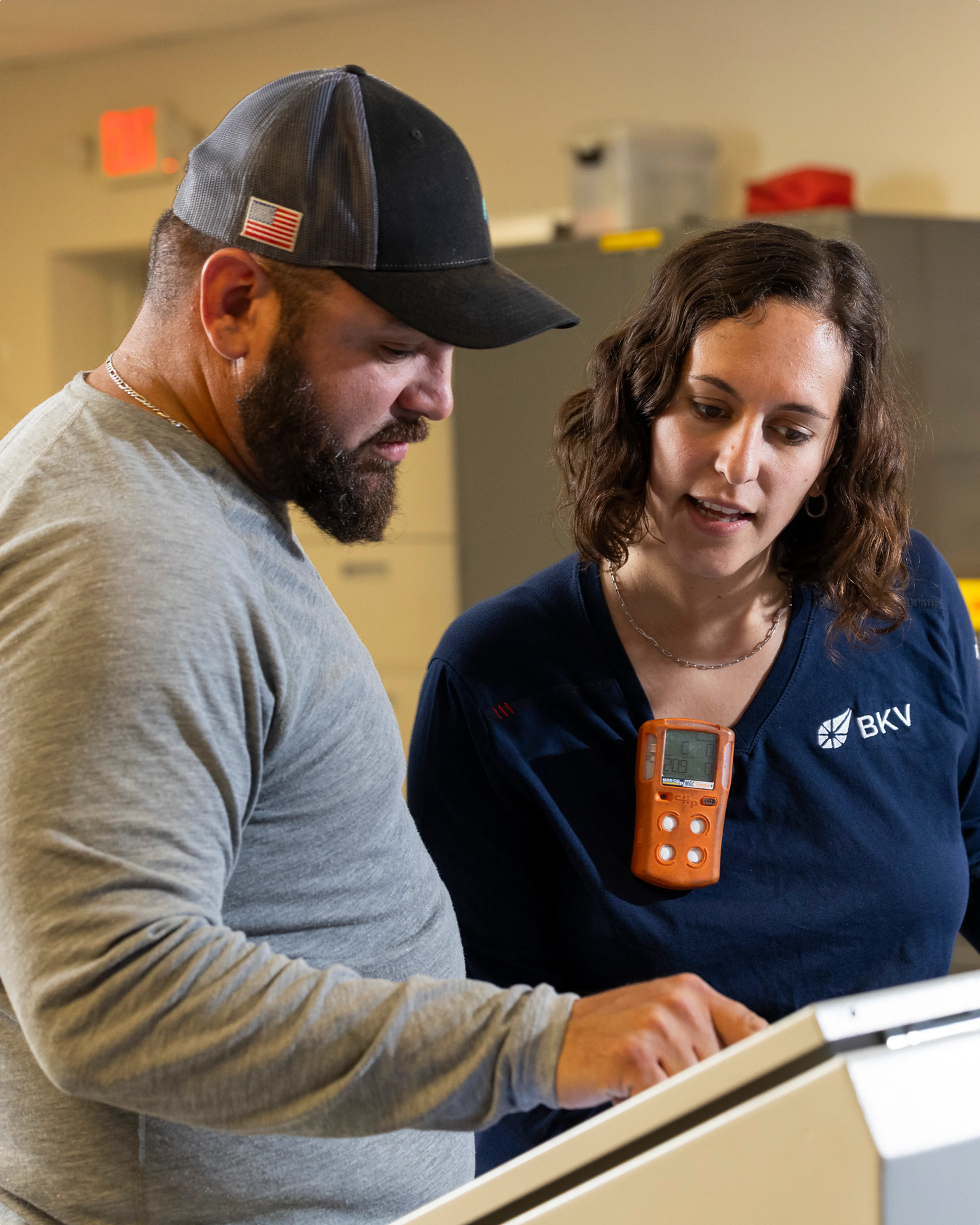
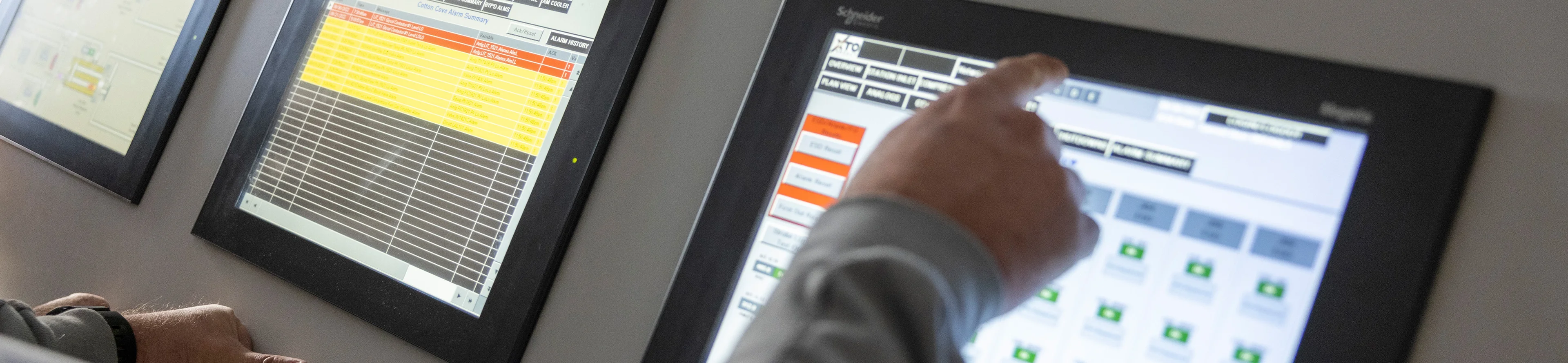
For the operators responsible for thousands of producing wells in BKV's portfolio, SCADA isn't just software.
"It is an actual wrench in our tool bag," said Cody Weirich, Senior Automation Foreman. "It's what they wake up to in the morning. It's what they go to bed with at night. They use it, and they learn from it.”
But by 2025, that tool had become unwieldy. Years of acquisitions left BKV operating across four separate SCADA/CygNet environments, each built on different data structures and conventions inherited from legacy companies. Operators moving between assets often encountered different terminology, screen layouts and means of data access, making it increasingly difficult to operate as one company and efficiently integrate future acquisitions.
Applying the One BKV mindset
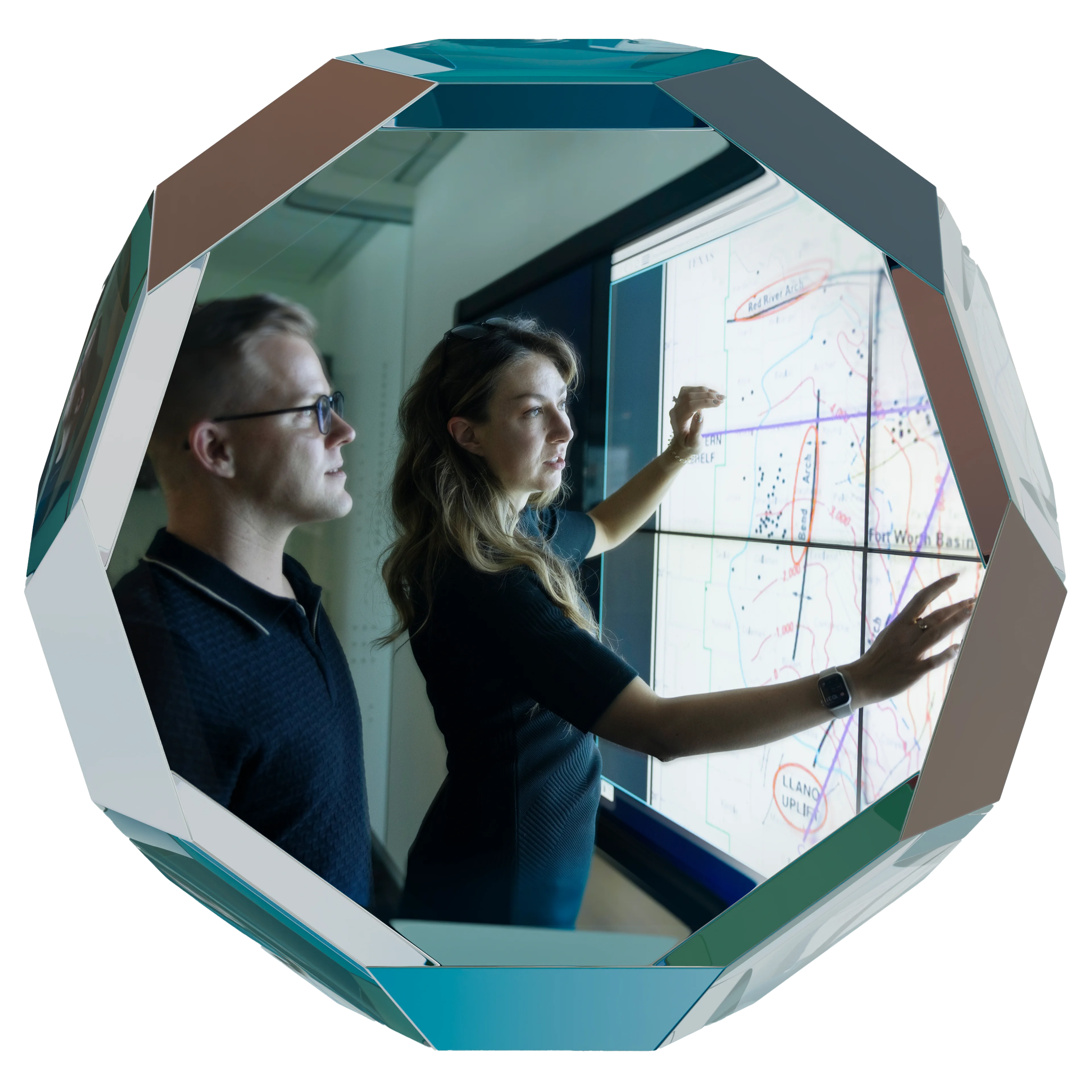
Project Runway set out to bring together IT, Operations and field personnel, consolidating those legacy SCADA/CygNet environments into one standardized platform.
Ideally, it would do so without disruptions or downtime. A daunting initiative touching nearly every aspect of upstream operations, it required the team to reconcile millions of data points, redesign user interfaces and establish a common operating model that would support ongoing expansion.
Therese DeBenedette, Senior Manager, IT Business Relationship, (Operations), served as the bridge between Information Technology and Operations. From the beginning, she and Weirich knew that the project could not be some isolated IT exercise. They turned to operations personnel to help design the solution.
Informed by field operations
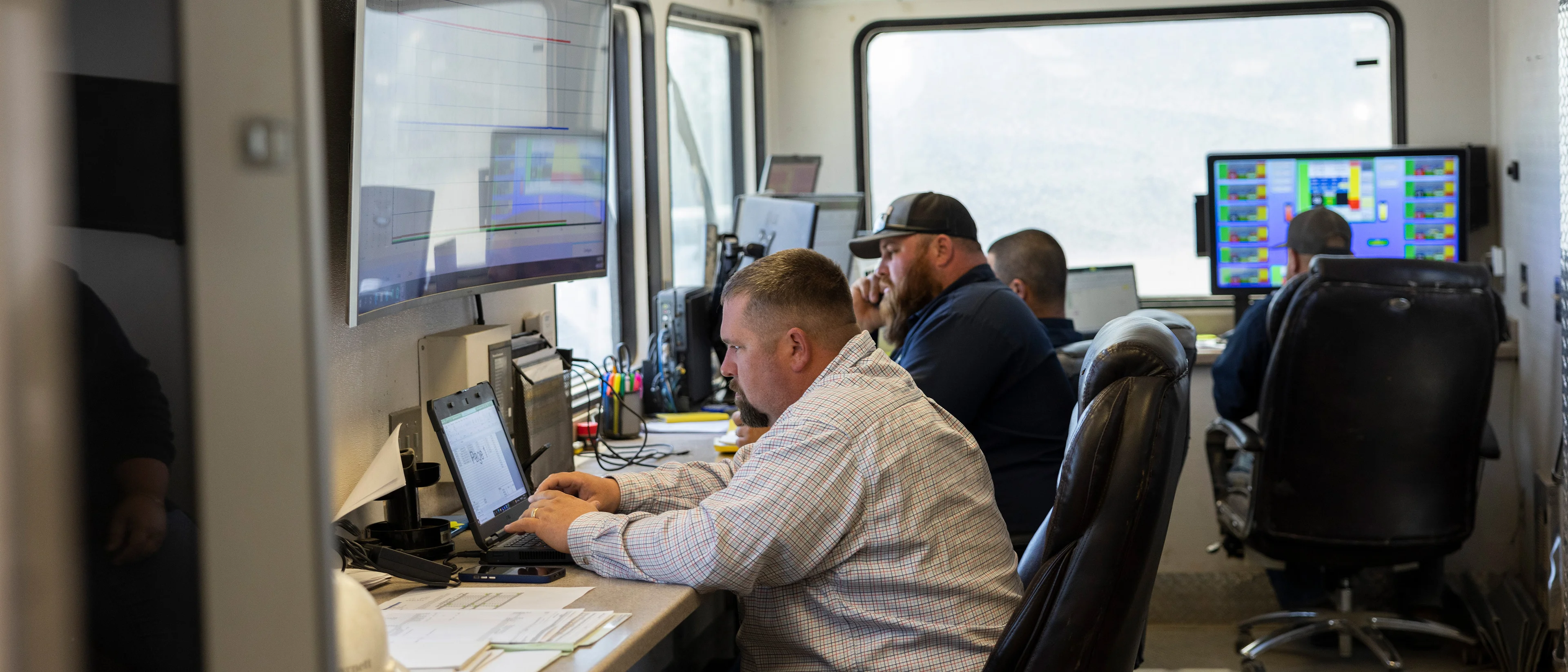
Production leads and artificial lift specialists participated in screen reviews, evaluated workflows and helped shape everything from terminology to navigation. The objective was to build a system that reflected how people actually worked in the field rather than asking the field to adapt to software.
That meant listening, seeking input from hundreds of employees, focusing on the human factors driving successful adoption. For example, the team redesigned UX to reduce switching between screens and surface critical information in one place.
"Operators don’t always have the luxury of a comfortable office,” said Weirich. When it’s 110° or 40° below, you don’t want to be waiting for the screen to load.”
Working alongside change management specialists, the team developed a comprehensive communication and training plan that included weekly updates, role-based training and regular demonstrations. Lease operators received training from fellow operations personnel rather than outside instructors.
Eating the elephant
The scale was formidable. According to DeBenedette, a vendor remarked that no other customer had ever attempted to standardize so many data points into a single model. "We learned to eat the elephant piece by piece," she said.
During implementation, the meal became even bigger. While the SCADA standardization effort was still underway, BKV announced its acquisition of Bedrock. Failure to complete the implementation on schedule would directly affect integration of the new assets.
According to DeBenedette, it was one of several sink-or-swim moments, demanding long days and late nights over open laptops and pizza. “But we were all there together, solving problems in the same room,” said DeBenedette. “I think we trauma-bonded.”
Collaboration beyond implementation
For years, there’s been a traditional divide between IT and Operations. During Project Runway, those boundaries began to disappear. “Everyone really just put their egos away,” said DeBenedette. “We’re all here to make each other succeed.”
By the time the consolidated Barnett platform went live on November 19, 2025, the team had standardized approximately 2.5 million data points, removed more than 250,000 points that were obsolete and improved polling intervals from 60 minutes to 15 minutes—all with zero production downtime. The new foundation positioned BKV to onboard approximately 1,100 Bedrock wells and significantly accelerate future integrations.
Operational transitions for acquisitions were also dramatically shortened. "We reduced time to integrate assets into the upstream SCADA platform from 6-8 months to 6-8 weeks," said DeBenedette.
That collaboration continued. IT employees now participate in field ride-alongs to better understand operating conditions. Operations leaders regularly engage with technology teams during future planning. Conversations that once happened across organizational boundaries now happen between colleagues who work shoulder to shoulder.
The project established a common foundation moving forward. For Weirich, it was successful not despite the hard work, but because of it. “As the pressure got greater, we got stronger.”